ESCAPE in Italy: Advancing Patient-Centred Care in Bologna
As the ESCAPE project enters its final phase, partners across Europe are reflecting on the progress made in improving care for older adults living with multiple chronic conditions. ESCAPE is developing a holistic, patient-centred approach to support elderly patients with heart failure, comorbidities, and psychological distress through integrated care, digital tools, and coordinated clinical support.
Among the project’s key clinical sites, the University of Bologna team has played a vital role in implementing and advancing ESCAPE’s innovative blended-collaborative care (BCC) model in Italy. Working in close collaboration with local healthcare providers, including the Cardiology Division at Bellaria Hospital in Bologna, the team has contributed significantly to both the scientific and practical dimensions of the project.
A Year of Milestones in Bologna
Over the past year, the Italian team has reached several important milestones. In March 2025, they successfully completed patient recruitment, enrolling 42 participants from an initial pre-screened pool of 863 individuals. This achievement reflects both the complexity of identifying eligible patients with multimorbidity and the team’s dedication to ensuring high-quality participation in the study.
By December 2025, the team had completed all 17 planned interventions, marking the end of the active treatment phase for their patients. Follow-up activities continued into early 2026, with patient feedback on the intervention collected in February. While formal statistical results are still pending, early impressions from participants have been encouraging, highlighting strong satisfaction with the ESCAPE approach and its impact on their care experience.
Looking ahead, the team anticipates completing end-of-treatment assessments in March 2026. This is an important step towards evaluating the effectiveness of the intervention and contributing to ESCAPE’s broader evidence base.
Embedding Innovation in Practice
A key strength of the Bologna site has been its focus on translating research into real-world healthcare settings. The team has been actively exploring how the ESCAPE intervention could be integrated into existing Italian care pathways, such as the PDTA Scompenso programme, a national framework for managing complex heart failure patients through coordinated, multi-level care.
This focus on implementation reflects ESCAPE’s wider ambition: not only to test a new model of care, but to ensure it can be adopted and sustained within healthcare systems across Europe.
Training the Next Generation
ESCAPE has also provided valuable learning opportunities for students and early-career researchers. At the University of Bologna, the project has been closely integrated into clinical psychology training, with master’s students gaining hands-on experience in delivering and understanding the BCC approach. This has helped build capacity in patient-centred, interdisciplinary care, which is an essential component of future healthcare systems.
The project has even featured in academic milestones, including master’s thesis work, demonstrating its role in shaping both research and education.
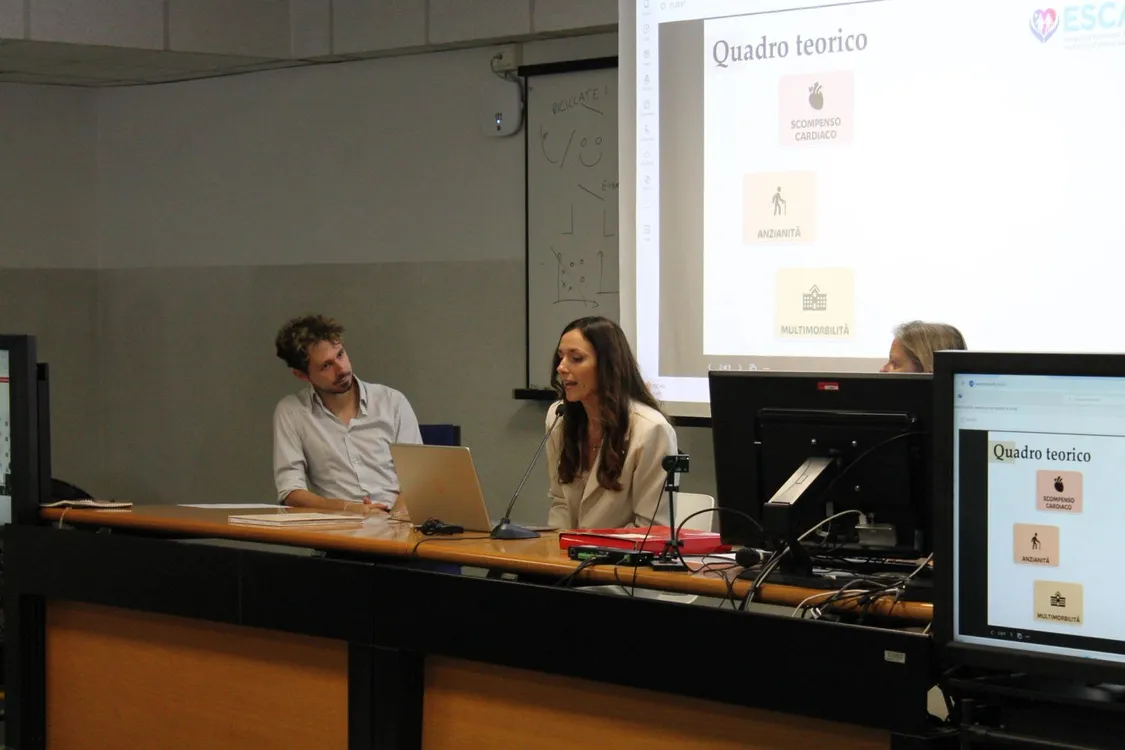
Eleonora Mazzi's Master's Thesis Defense at University of Bologna
Sharing Knowledge Beyond the Project
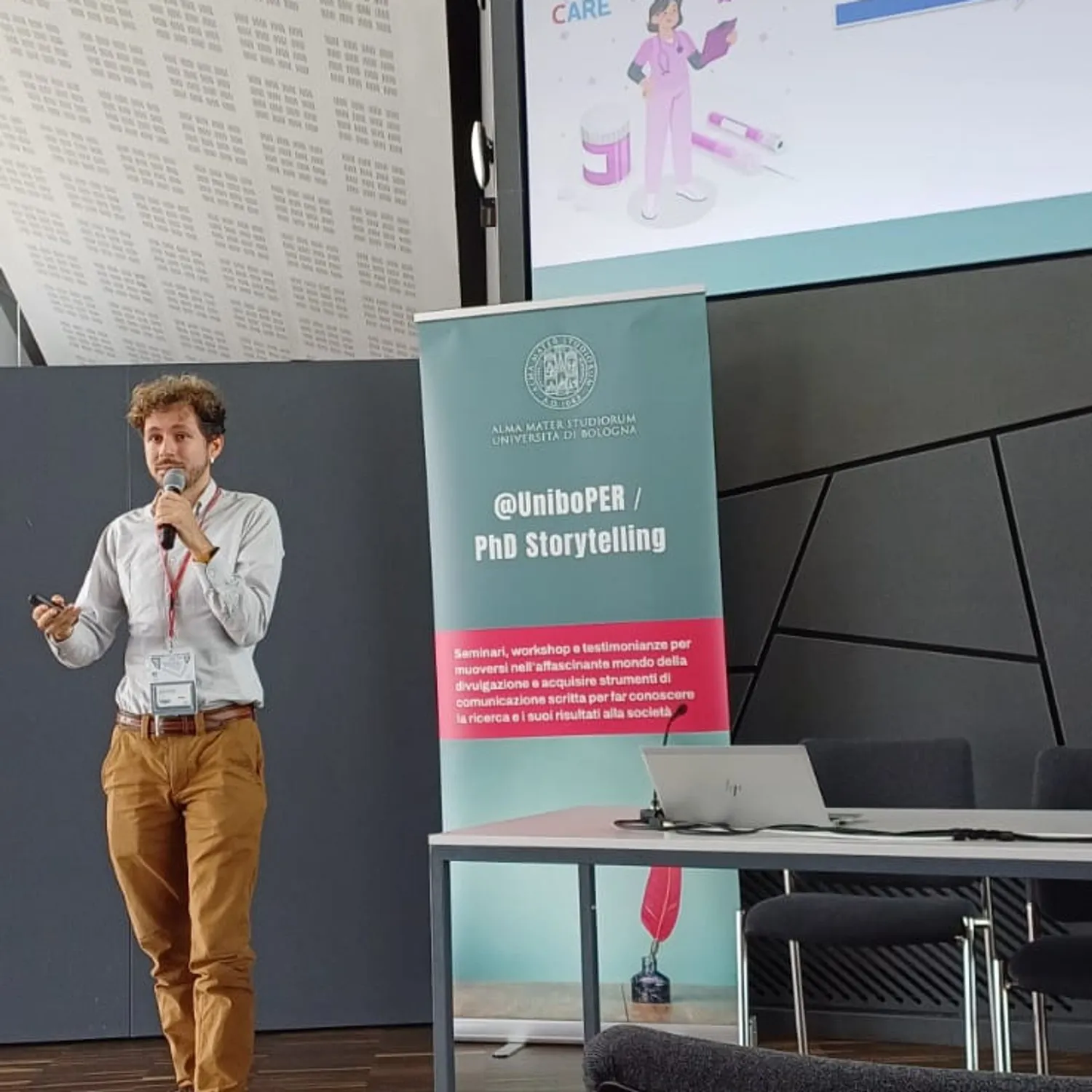
Dissemination has been another cornerstone of the Italian team’s activities. Throughout 2025, ESCAPE was presented to a wide range of audiences—from academics and healthcare stakeholders to high school students considering careers in psychology.
Notably, a popular science article (available here) by Graziano Gigante was published through the Italian Union of Science Journalists, helping to communicate the value of care management and integrated care approaches to a broader public audience. Engagement with local cooperatives in Bologna has also opened up new avenues for collaboration, bridging research and community-based care.
Strengthening European Collaboration
The collaborative spirit of ESCAPE continues to thrive across borders. Members of the Italian team are actively engaging with other project partners, including ongoing work with colleagues at the University of Southern Denmark. These exchanges are helping to deepen the analysis of ESCAPE outcomes and strengthen the project’s European dimension.
The Bologna team also had the pleasure of hosting the ESCAPE Consortium meeting in June 2025, held in the historic Palazzo Malvezzi Campeggi. Beyond the scientific discussions, the meeting offered a valuable opportunity to connect in person, exchange ideas, and celebrate the project’s progress together.
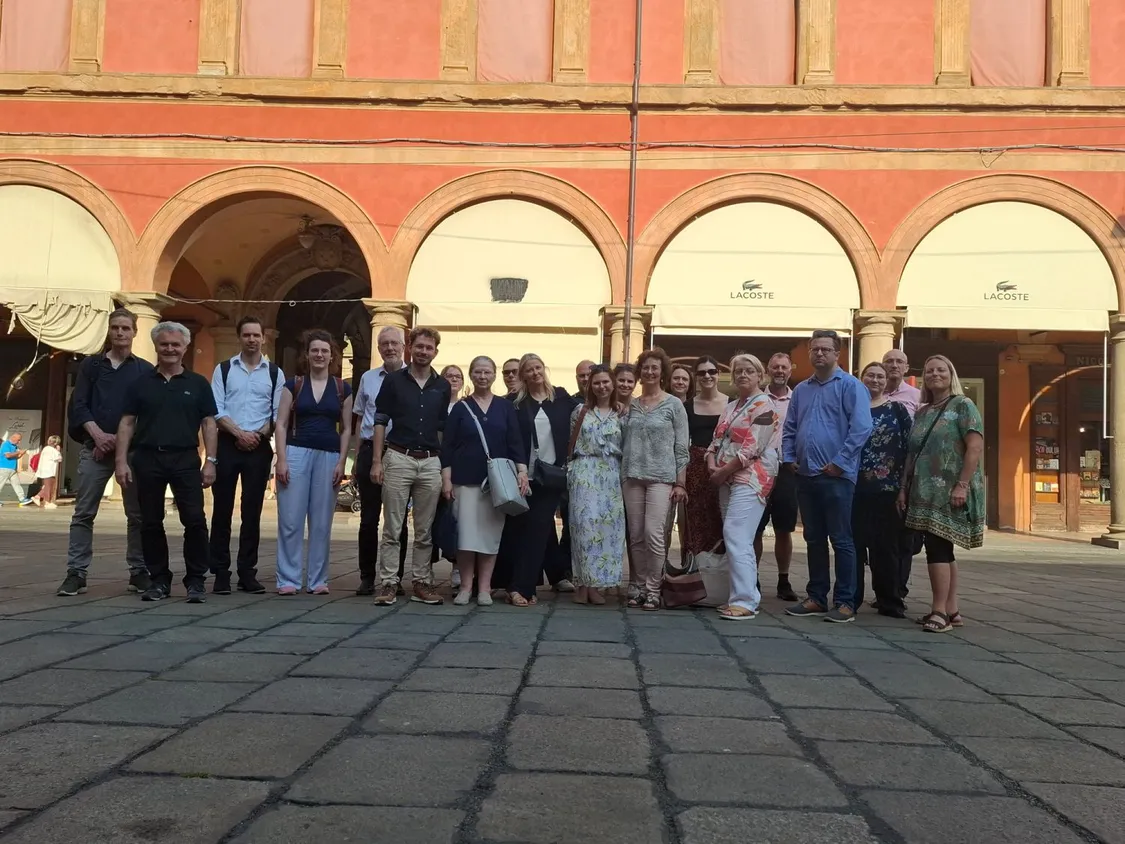
The ESCAPE Consortium Meeting at the University of Bologna
Looking at 2026
As ESCAPE moves closer to completion, the work carried out in Bologna stands as a strong example of how integrated, patient-centred care can be developed, tested, and prepared for real-world implementation. With final assessments underway and results on the horizon, the Italian team’s contributions will be instrumental in shaping the future of care for elderly patients with complex health needs.
Stay tuned for more updates as ESCAPE continues to generate insights that can transform care practices across Europe.